Industrial Tank Coating Contractors Serving North Carolina
New Kent Coatings has served North Carolina facilities since 2012, mobilizing experienced crews and NACE-certified inspectors for tank, containment, and structural steel coating work across the state. Our biggest volume in North Carolina comes from port and terminal tank work around Wilmington, where liquid storage assets face constant coastal humidity and chemical exposure, alongside structural steel coating that shows up across nearly every industrial site we touch in the state.
Built for North Carolina’s Port, Terminal, and Industrial Base
North Carolina’s industrial footprint runs from the coast inland, and the assets we’re called for reflect that spread:
- Port and terminal tank systems around Wilmington, where liquid storage tanks need coating systems rated for constant coastal moisture and cargo-specific chemical exposure
- Structural steel across nearly every project type — this is one of the most consistent scopes we see in North Carolina, from platforms and pipe racks to support structures
- Water and wastewater treatment facilities running coatings in continuous immersion and chemical service
- Power generation facilities with steel and containment assets under thermal and corrosive stress
We don’t run a satellite office in North Carolina, and we don’t pretend to. What we bring instead is a crew that mobilizes with the same NACE CIP Level 3 spec discipline we use fifty miles from our shop, which means the coating system on a Wilmington terminal tank gets the same site-condition assessment as one three hours away in Charles City.
Industrial Coating Services for North Carolina Facilities
Tank Linings and Containment
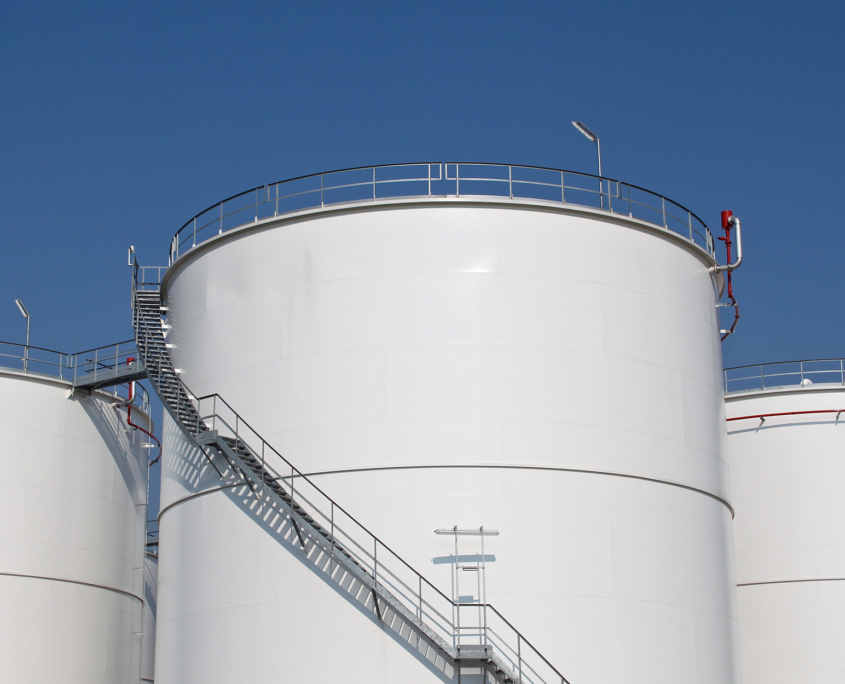
Terminal and storage tank coating is our lead service in North Carolina. We handle interior lining and exterior recoating for liquid storage assets, plus secondary containment repair and construction for facilities where a containment failure means a regulatory event, not just a maintenance ticket.
Structural Steel Coating
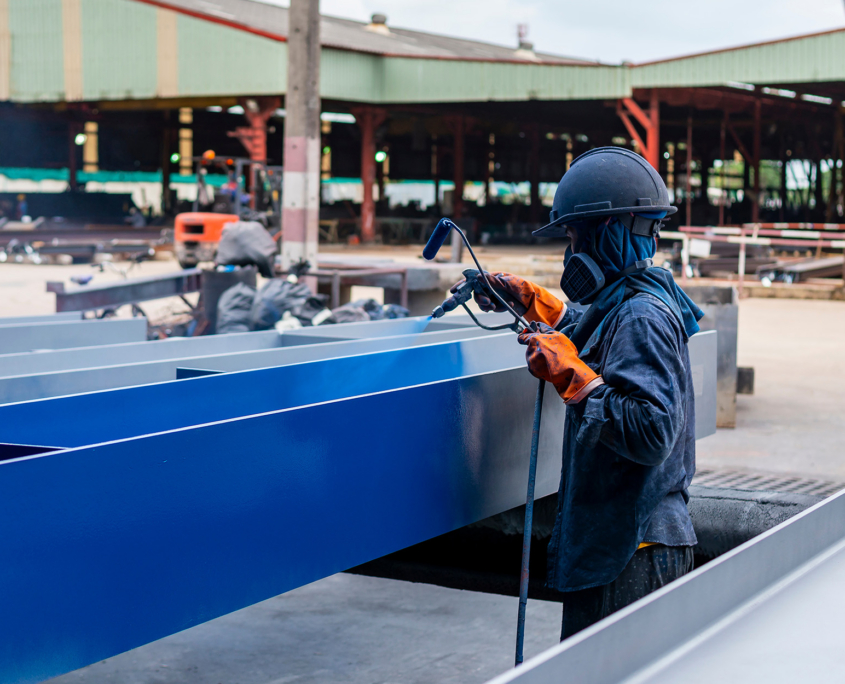
Structural steel coating shows up on nearly every North Carolina job we run, from support steel at industrial plants to platform and pipe rack systems. Corrosion control on structural steel is a different spec problem than tank lining — different exposure, different access, different failure modes — and we scope it accordingly.
Surface Preparation
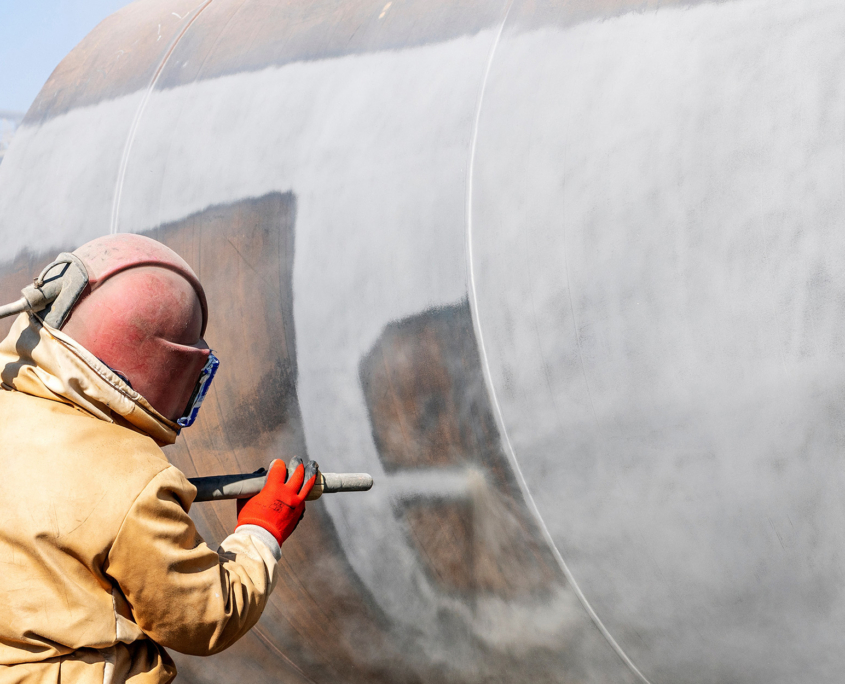
Every coating system in North Carolina starts with the right prep method for the substrate: abrasive blasting, ultra-high-pressure water blasting up to 55,000 PSI, or dry ice blasting where traditional media isn’t an option.
Don’t Let a Coastal Coating System Fail Early
Coastal humidity and cargo-chemical exposure are hard on tank coatings that weren’t specified for the environment they’re actually sitting in. Get a NACE-certified assessment of your tank or containment system before your next scheduled maintenance window, so the system going back on is rated for the conditions it’s actually facing, not a generic spec.
Experience and Credentials
Case Study: Three Steel Wastewater Treatment Tanks Recoated with a 12-Hour Return to Service
What Sets Us Apart in North Carolina
Most contractors serving the Wilmington terminal market are either tank specialists who don’t touch structural steel, or structural steel shops that sub out tank lining to someone else. We run both under one crew and one NACE-certified process, which means a terminal facility with mixed tank and steel scope doesn’t need two vendors, two schedules, and two points of failure.
North Carolina Coating FAQs
What experience do you have coating tanks at port or marine terminal facilities?
Port and terminal tank work is one of our primary North Carolina scopes, concentrated around Wilmington. We spec coating systems for the coastal humidity and cargo-specific chemical exposure those assets deal with, not a standard inland tank system.
How do you handle structural steel coating at height or in tight plant access?
We scope access and rigging as part of the site assessment, same as we do for tank interiors, and we plan surface prep and coating sequencing around whatever access constraints your facility has.
How far will you mobilize a crew into North Carolina for a project?
We mobilize statewide for the right scope, and we’ve been doing it since 2012. There’s no minimum project size that determines whether we’ll travel — it comes down to whether the work matches our tank, containment, and structural steel expertise.
What’s the difference between a containment coating and a tank lining?
A tank lining protects the interior or exterior surface of the storage vessel itself. Secondary containment is the barrier system around the tank designed to catch a release before it reaches soil or groundwater. They’re often specified and installed together, but they’re different systems with different failure consequences.
Do you work around a facility’s production or shipping schedule?
Yes. Terminal and plant schedules rarely allow for open-ended downtime, so we sequence surface prep and coating application in phases that work around your operational windows wherever possible.
Do you offer flooring services for North Carolina facilities, or just tanks and structural steel?
Yes. Alongside our tank, containment, and structural steel work, we install epoxy and polished concrete flooring for North Carolina manufacturing and industrial facilities, specified for chemical resistance, heavy foot and equipment traffic, or sanitary requirements depending on your operation. See our epoxy flooring and concrete polishing services for the full scope.