• (804) 966-2011
    New Kent Coatings
    • Services
      • Epoxy Flooring & Concrete Polishing
      • Industrial Coatings
      • Surface Preparation
    • Industries
    • About
      • Areas We Serve
      • Blog
    • Careers
    • Contact
    • Menu Menu

    Industrial Tank Lining Systems: Complete Guide for Chemical Storage Facilities

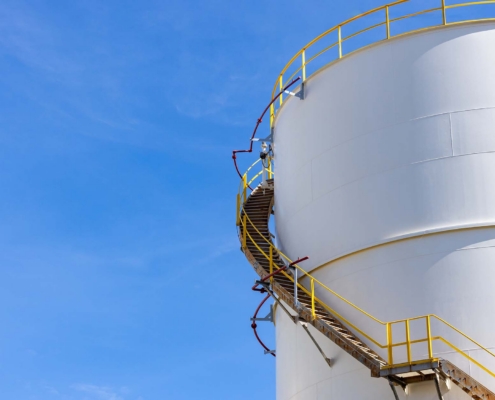
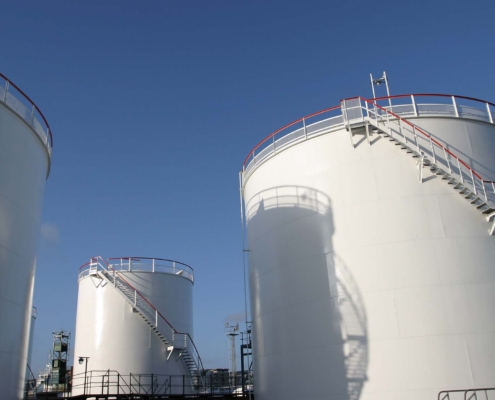
    Choosing the wrong industrial tank lining can cost a facility more than $100,000 before the full accounting is done. That number includes premature coating failure, operational downtime to pull the tank from service, product transfer costs, contractor remobilization, surface preparation, and a second full application cycle. For a correctly specified system, none of that happens. Tank linings matched to the stored commodity and applied over proper surface preparation consistently deliver 12 or more years of service life.

    For a mismatched system, the failure window opens well before year five. This guide gives chemical storage facility managers a practical framework for matching coating chemistry to commodity, understanding the variables that shorten coating life, and evaluating what a NACE Level 3 certified inspection team brings to the process. New Kent Coatings provides industrial coatings services across petrochemical, chemical processing, pharmaceutical, and industrial storage facilities.

    Why a Failed Tank Coating System Costs More Than It Appears

    Most capital project budgets treat tank coating as a defined line item. The real cost of a wrong specification does not appear on that budget line. It surfaces in year four or five when the coating degrades, the tank has to come offline again, and the facility absorbs a full re-coating cycle that was not planned or budgeted.

    A coating failure in chemical storage is not a cosmetic issue. Depending on the stored commodity, coating degradation can compromise product purity, introduce contamination risk, or expose the steel substrate to direct chemical attack. Any of those outcomes generates consequences that exceed the original coating investment by a significant margin.

    Steel tank protection that is correctly specified and properly installed eliminates the second project entirely. The difference between a 12-year service life and a 5-year failure is not just a performance metric. It is the difference between one planned maintenance window and two forced outages, along with all the downstream costs each one carries.

    How to Match Chemical Tank Liners to the Commodity You Store

    The most critical variable in tank coating selection is the stored commodity. Chemical tank liners are engineered to resist specific chemical attack mechanisms, and a system that performs reliably in petroleum service will not survive in an acid tank. Below is how coating chemistry maps to the most common industrial storage categories.

    Petroleum Products and Hydrocarbons

    Novolac epoxy systems are the standard specification for petroleum storage tanks. They provide strong resistance to aromatic and aliphatic hydrocarbons and deliver the film build and adhesion needed for long service cycles on steel tank interiors. For tanks handling higher aromatic content fuels, novolac vinyl ester or vinyl ester systems are often specified.

    Acid Service, Including Sulfuric Acid Tanks

    Acid storage requires coatings with documented resistance to the specific acid in contact, at the actual concentration and operating temperature the tank runs in service. A sulfuric acid tank at a chemical processing facility requires a high-build epoxy phenolic or baked phenolic system that maintains film integrity under continuous acid exposure. Coating failure in an acid tank is not a maintenance inconvenience. It creates an immediate contamination and infrastructure risk.

    Caustics and Alkalis

    Strong caustics require coatings with verified alkali resistance. Certain epoxy systems perform well in caustic service at ambient temperature, but elevated temperature or high concentration applications may require reinforced linings or a different chemistry entirely.

    Solvents

    Solvent storage is one of the most demanding applications because many conventional coating chemistries are attacked by the same solvents they are meant to contain. Vinyl ester, glass flake-reinforced, or fluoropolymer systems are typically specified for solvent tanks depending on the solvent class and concentration.

    Food-Grade and Pharmaceutical Applications

    Food-grade and pharmaceutical tank liners must meet chemical compatibility requirements alongside regulatory compliance. NSF/ANSI 61 certified coatings are required for potable water contact applications. Pharmaceutical and food processing applications often require coatings with documented FDA compliance for direct or incidental product contact.

    Wastewater and Chemical Process Tanks

    Wastewater tanks face a combination of chemical and biological attack mechanisms. The coating specification must account for the full range of compounds present in the wastewater stream, not just the primary constituent, along with any temperature variation or process upsets the tank may see during operation.

    How Operating Temperature Changes Your Tank Coating System Selection

    Most tank coating guides assume ambient temperature storage. Many industrial facilities operate tanks at elevated temperatures or cycle between hot and cold service conditions, and that changes the coating specification significantly.

    A coating system rated for continuous service at 75 degrees F may soften, blister, or delaminate at 150 degrees F. Epoxy phenolic and baked phenolic systems are specified for elevated temperature service specifically because they maintain film integrity under thermal load. Any tank running above 100 degrees F should have its coating specification verified against the system’s rated operating temperature, not just its chemical resistance profile.

    Temperature and chemical exposure interact directly. A coating that handles caustic service at ambient temperature may not hold at 140 degrees F under the same chemistry. Compatibility testing before finalizing the specification accounts for both variables simultaneously, which is the minimum responsible approach for any elevated temperature application.

    Chemical resistance and thermal load interact in ways a commodity-only spec will miss. New Kent Coatings’ NACE Level 3 certified team reviews stored commodity, operating temperature range, and application conditions together before any contractor mobilizes.

    Schedule a Coating Specification Review

    Why Surface Preparation Determines Whether Your Tank Lining Installation Lasts

    According to industry reporting, improper surface preparation accounts for 85 percent of coating failures. A tank coating system formulated correctly for the stored commodity but applied over inadequate surface preparation will fail ahead of schedule regardless of coating quality. The prep is not secondary to the product. It is the foundation the coating sits on.

    Tank lining installation on steel substrates requires blast cleaning to SSPC-SP 6 at minimum, with most immersion service specifications requiring SSPC-SP 10 near-white blast or SSPC-SP 5 white metal blast. The surface anchor profile depth must fall within the coating system’s specified range. Surface cleanliness is documented before application begins, not assumed. Learn more about surface preparation to SSPC and NACE standards and what proper prep looks like on a tank interior project.

    Contractors who cannot document surface preparation standards before application represent a primary risk factor on any tank coating project. That documentation is not administrative overhead. It is the record confirming the coating was applied under the conditions required to achieve the specified service life, and it becomes part of the tank’s maintenance history.

    What NACE Level 3 Inspection Adds to a Tank Coating Project

    Most contractors treat inspection as a quality control step that happens after application is complete. NACE Level 3 certified inspection brings expertise into the project before the work starts, at the specification and surface preparation stages, where it has the most impact on long-term coating performance.

    NACE Level 3 inspection covers coating system selection, surface preparation verification, ambient conditions monitoring during application, wet film thickness and dry film thickness measurement, holiday testing on completed lining systems, and documentation that supports long-term tank maintenance planning. That documentation becomes a formal part of the tank asset record.

    More importantly, NACE Level 3 expertise means the coating selection conversation itself is grounded in field knowledge of how specific systems perform in specific service environments. That shifts the contractor relationship from applicator to technical advisor from the specification stage forward. Most coating contractors do not hold NACE Level 3 certification and cannot offer that level of guidance.

    A correctly lined tank inside a containment structure that isn’t rated for the same stored commodity leaves a gap in your facility’s protection. New Kent Coatings coordinates tank lining and secondary containment work during the same project window to close that gap and reduce total mobilization costs.

    Our Tank Coating Services

    Interior vs. Exterior Steel Tank Protection: Where Coating Chemistry Really Matters

    Interior and exterior tank coating requirements are different problems that call for different analysis. Exterior steel tank protection addresses atmospheric corrosion, UV exposure, and weathering. Coating selection for exteriors is driven by exposure conditions, maintenance intervals, and appearance requirements. It is important, but it does not require the same chemical compatibility analysis that interior work demands.

    Interior protection is where coating chemistry selection is genuinely critical. The stored commodity is in sustained direct contact with the lining for years at a time. There is no atmospheric buffer. A mismatched coating system will eventually fail under that sustained exposure, and when it does, the facility is managing both a coating failure and a potential contamination or structural risk simultaneously.

    Facilities that coordinate interior and exterior coating work during the same project window reduce total mobilization costs and minimize operational downtime. And because tanks typically sit on containment systems, coordinating both during the same project minimizes disruption and ensures complete facility protection. We cover that coordination process in detail in our secondary containment systems guide.

    Frequently Asked Questions About Industrial Tank Lining Systems

    How long does a properly installed tank lining last?

    A tank lining correctly specified for the stored commodity and applied over adequate surface preparation should deliver 12 years or more of service life. Mismatched coating chemistry or inadequate surface preparation shortens that window to five years or less, requiring a full re-coating cycle that includes draining, cleaning, blast preparation, application, and cure.

    Can an existing steel tank be relined without full replacement?

    Yes. Most tank relining projects involve blast cleaning the existing steel to the required surface profile, repairing any localized substrate damage, and applying the new lining system over the prepared surface. Full tank replacement is typically warranted only when structural integrity is compromised. A failed or degraded lining alone does not justify replacement.

    What is the difference between an epoxy and a vinyl ester tank lining?

    Epoxy systems provide strong corrosion resistance and adhesion across a broad range of service environments including petroleum products and aqueous chemical solutions. Vinyl ester systems offer broader chemical resistance, particularly for solvent and strong acid service, with more demanding application requirements. The correct choice depends on the stored commodity, concentration, and operating temperature of the tank.

    Get the Right Tank Lining Specified Before the Project Starts

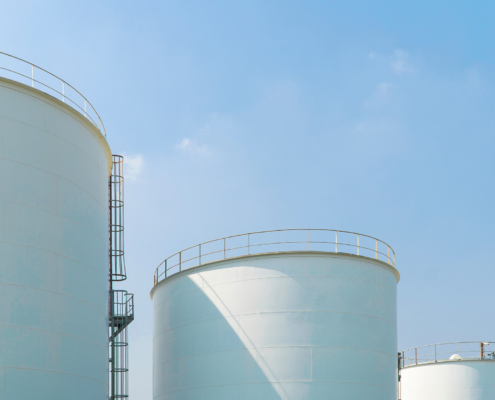
    The gap between a 12-year tank lining and a 5-year failure starts with coating chemistry selection and widens or narrows based on surface preparation rigor and inspection expertise. Facility managers making long-term capital decisions on chemical storage infrastructure deserve a contractor who provides guidance at the specification stage, not just puts the coating on.

    New Kent Coatings’ NACE Level 3 certified team works with facility managers during the specification phase to match coating chemistry to the stored commodity, operating temperature, and compliance requirements before a single contractor mobilizes. Contact us to schedule a coating chemistry consultation for your chemical storage facility.

    Share This Post

    • Share on Facebook
    • Share on X
    • Share on WhatsApp
    • Share on Pinterest
    • Share on LinkedIn
    • Share on Tumblr
    • Share on Vk
    • Share on Reddit
    • Share by Mail

    More Like This

    Amazing Shot Of How Epoxy Resin Is Applied. Grey Coating

    Secondary Containment Coatings: EPA Compliance Guide for Facility Managers

    https://newkentcoatings.com/wp-content/uploads/2026/06/Amazing-shot-of-how-epoxy-resin-is-applied.-grey-coating.jpg 1250 2000 Abstrakt Marketing /wp-content/uploads/2026/01/New-Kent-logo.png Abstrakt Marketing2026-06-29 14:04:162026-06-29 14:04:24Secondary Containment Coatings: EPA Compliance Guide for Facility Managers

    Categories

    • Coatings
    • Epoxy Flooring
    New Kent Logo Vertical White

    Company

    About

    Testimonials

    Careers

    Solutions

    Epoxy Flooring & Concrete

    Industrial Coatings

    Surface Preparation

    Contact

    3240 Roxbury Rd 
    Charles City, VA 23030

    (804) 966-2011

    [email protected]

    Website by Abstrakt Marketing Group ©
      • Sitemap
      • Privacy Policy
      Link to: Secondary Containment Coatings: EPA Compliance Guide for Facility Managers Link to: Secondary Containment Coatings: EPA Compliance Guide for Facility Managers Secondary Containment Coatings: EPA Compliance Guide for Facility ManagersAmazing Shot Of How Epoxy Resin Is Applied. Grey Coating
      Scroll to top Scroll to top Scroll to top

      This site uses cookies. By continuing to browse the site, you are agreeing to our use of cookies.

      AcceptLearn more

      Cookie and Privacy Settings


      How we use cookies

      We may request cookies to be set on your device. We use cookies to let us know when you visit our websites, how you interact with us, to enrich your user experience, and to customize your relationship with our website.

      Click on the different category headings to find out more. You can also change some of your preferences. Note that blocking some types of cookies may impact your experience on our websites and the services we are able to offer.

      Essential Website Cookies

      These cookies are strictly necessary to provide you with services available through our website and to use some of its features.

      Because these cookies are strictly necessary to deliver the website, refusing them will have impact how our site functions. You always can block or delete cookies by changing your browser settings and force blocking all cookies on this website. But this will always prompt you to accept/refuse cookies when revisiting our site.

      We fully respect if you want to refuse cookies but to avoid asking you again and again kindly allow us to store a cookie for that. You are free to opt out any time or opt in for other cookies to get a better experience. If you refuse cookies we will remove all set cookies in our domain.

      We provide you with a list of stored cookies on your computer in our domain so you can check what we stored. Due to security reasons we are not able to show or modify cookies from other domains. You can check these in your browser security settings.

      Other external services

      We also use different external services like Google Webfonts, Google Maps, and external Video providers. Since these providers may collect personal data like your IP address we allow you to block them here. Please be aware that this might heavily reduce the functionality and appearance of our site. Changes will take effect once you reload the page.

      Google Webfont Settings:

      Google Map Settings:

      Google reCaptcha Settings:

      Vimeo and Youtube video embeds:

      Accept settingsHide notification only