Most petrochemical and chemical processing facilities manage tank coating work reactively. A lining fails, a tank comes offline, a contractor is called in to address that asset. The next failure puts a different tank offline. Each project is scoped in isolation, priced in isolation, and executed in isolation. Over a five-to-seven-year window, that approach typically costs more than a coordinated farm-level strategy would have, and it leaves systemic tank corrosion protection gaps untouched between projects.
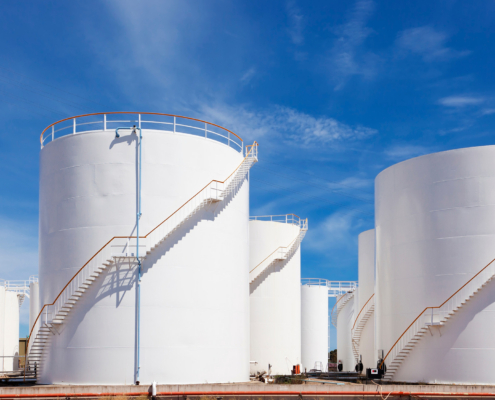
Aboveground storage tank maintenance planned at the farm level, rather than one asset at a time, produces better coating service life, fewer unplanned outages, and a written corrosion control record that supports capital planning across the full asset register. A tank farm is a single corrosion control system. The assets inside it share an environment, interact through a cathodic protection network, and require a coating strategy that accounts for those interactions rather than ignoring them.